Voices that grow food systems: How FAO ComDev invests in rural women and girls
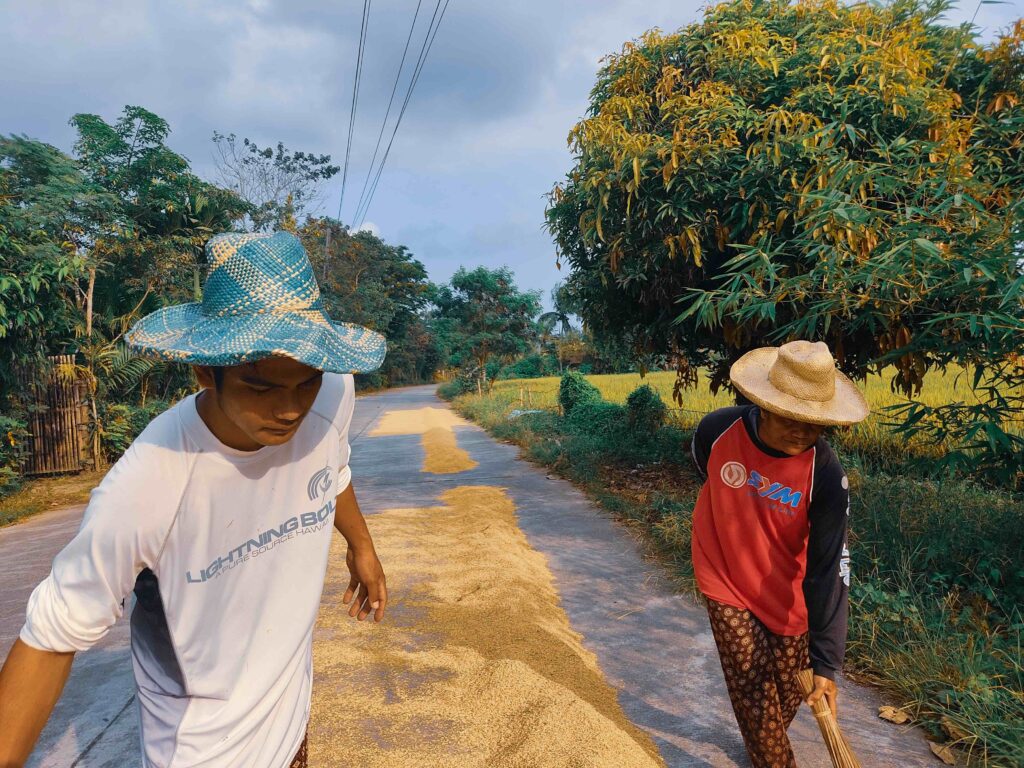
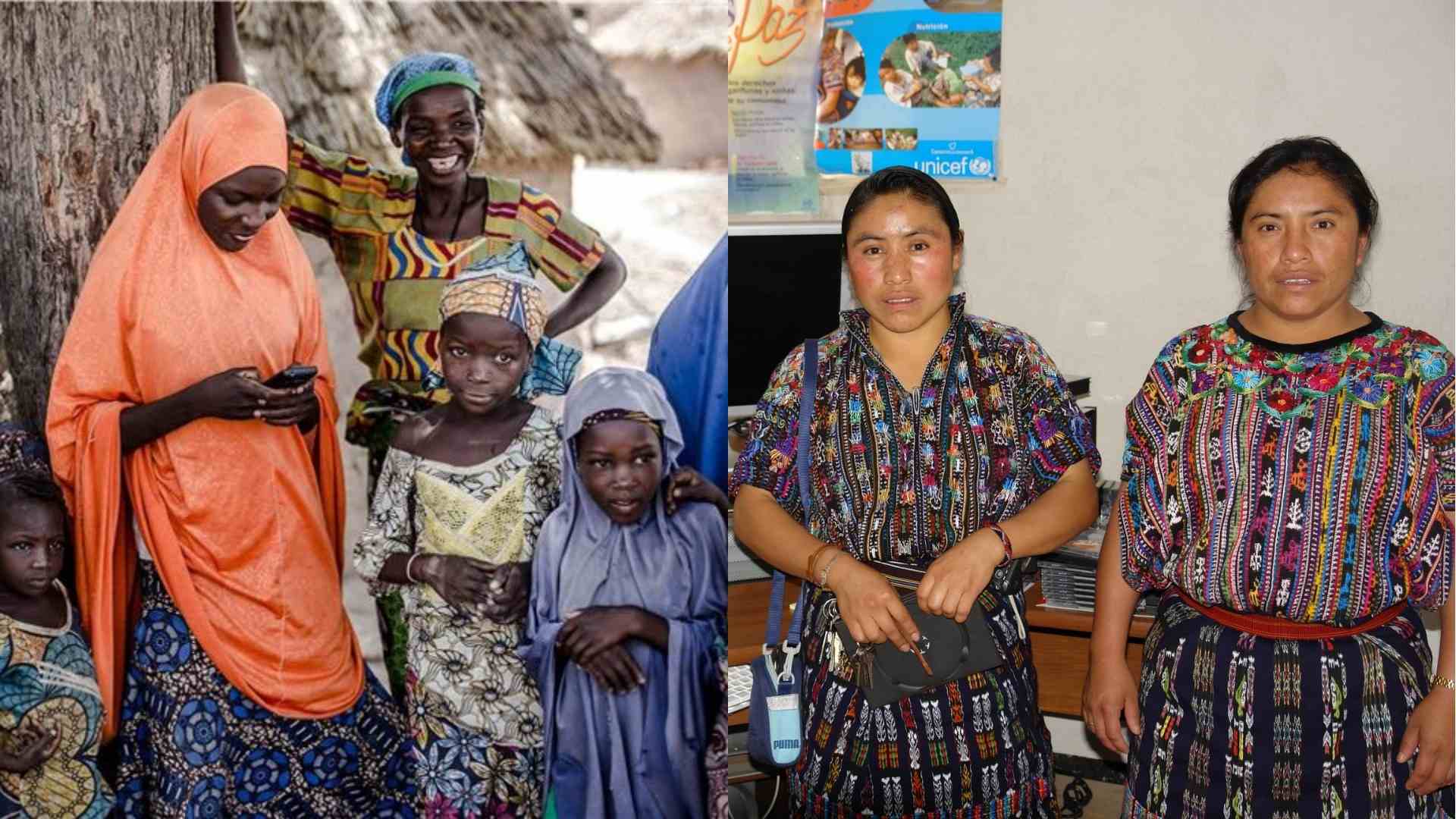
This International Women’s Day, the theme “Give to Gain” invites reflection not only on what must be invested, but on how change is built. For FAO’s Communication for Development (ComDev), investing in rural women and girls means strengthening the communication processes that allow them to participate, influence decisions and shape the future of agrifood systems. Rural women and girls are central to food security and rural economies. They produce a significant share of the world’s food and safeguard biodiversity, natural resources and local knowledge. Yet their work often remains invisible, and their access to land, finance, education, technology and decision-making spaces is still constrained by structural and social barriers.
From a ComDev perspective, empowerment begins with voice. Supporting rural women is not only about delivering services or technologies, but about creating communication environments where their experiences, priorities and innovations are heard and valued. Through participatory communication, community dialogue and locally rooted media, ComDev approaches help challenge harmful norms and open space for women’s leadership in farming, markets and natural resource management.
Evidence shows that when women gain equal access to productive resources, the benefits ripple outward. FAO estimates that closing gender gaps in access to inputs and services could raise farm yields by 20–30 percent and significantly reduce food insecurity. These gains are not only technical. They depend on how information is shared, how decisions are negotiated, and how communities understand women’s roles in agrifood systems. Communication is therefore not an add-on, but a driver of these outcomes.
Rural girls face even steeper obstacles. Social expectations often limit their access to education, training and digital tools, narrowing their future opportunities in agriculture and rural economies. Here, ComDev plays a critical role in shaping narratives that value girls’ education and leadership. By promoting stories of rural girls as innovators and knowledge holders, communication helps reframe what is possible for the next generation.
FAO’s work on gender and investment in sustainable agrifood systems underscores the importance of integrating gender analysis into planning, monitoring and evaluation. Investments that intentionally support women’s access to credit, training, market information and digital services generate multiplier effects: more resilient households, better-nourished families and communities better equipped to adapt to change. Communication strategies help ensure that these investments are understood, used and owned locally.
ComDev strengthens these efforts by tailoring messages to local realities, engaging community leaders and fostering peer learning. Through participatory media, storytelling, dialogue platforms and knowledge exchange, communication becomes a practical tool for transformation. It supports not only the transfer of information, but shifts in attitudes and power relations that determine who participates and who benefits.
On this International Women’s Day, FAO ComDev reaffirms its commitment to investing in more than resources. It invests in voice, visibility and agency for rural women and girls. When communication opens space for their ideas and leadership, agrifood systems grow stronger, rural economies become more inclusive, and development becomes a shared conversation rather than a one-way message.